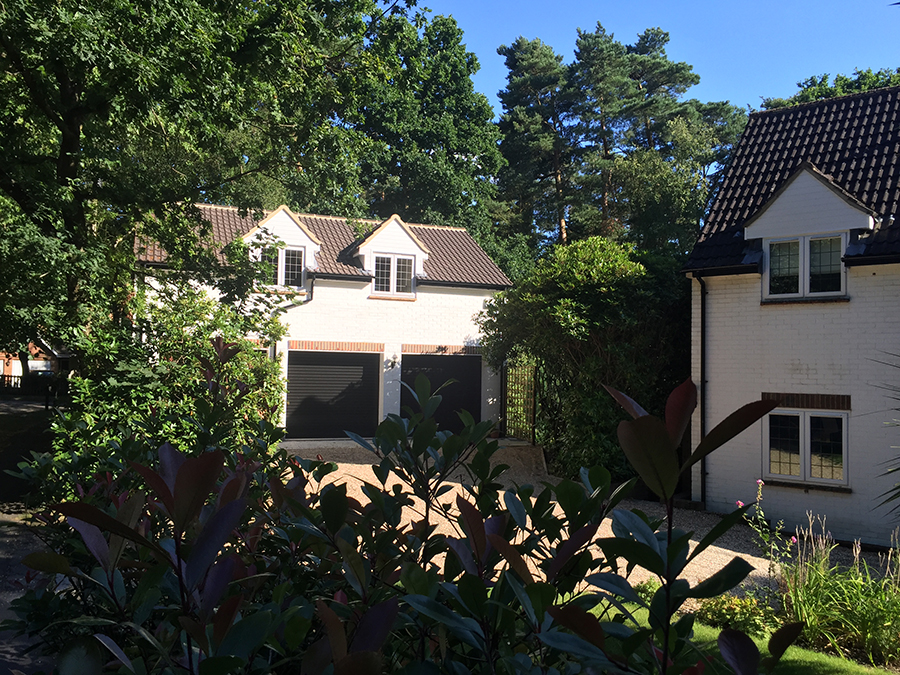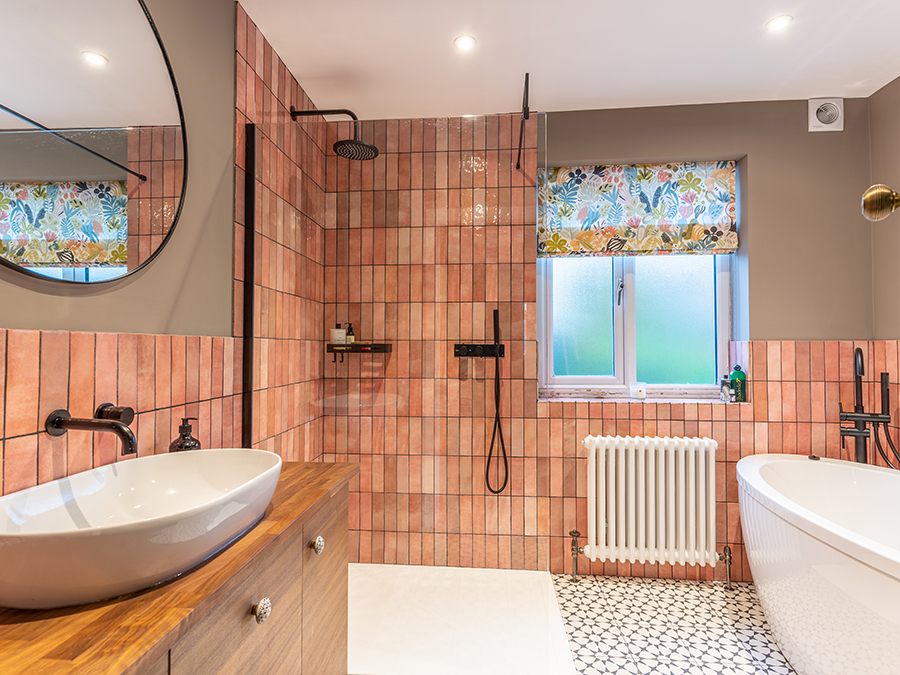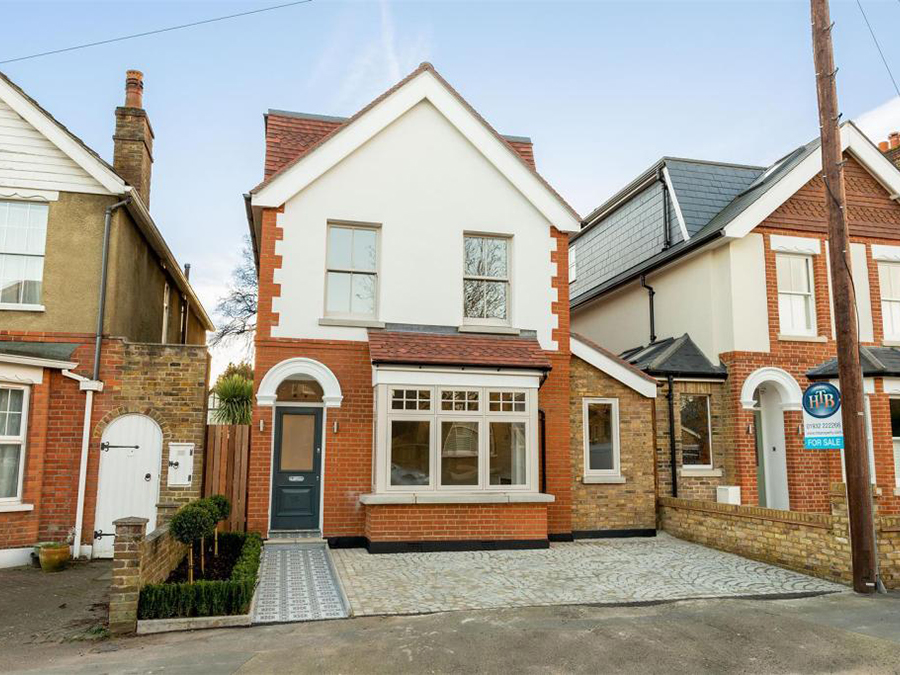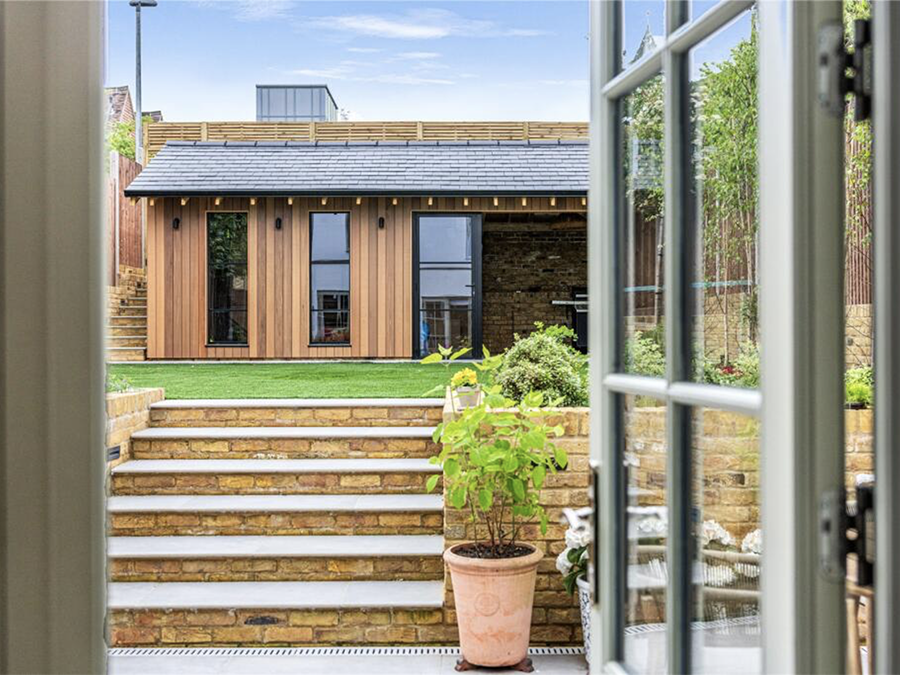
Design-led residential projects from concept to construction

Architectural design, planning and technical drawings for extensions, loft conversions and new-build homes.

I work directly with homeowners across Surrey, Hampshire, Berkshire and London, helping guide projects clearly from initial ideas through planning, technical design and construction support.

Whether you’re planning a home extension, loft conversion or new-build home, the aim is always to keep the process straightforward, practical and well organised from start to finish.

CONSULTATION & MEASURED SURVEY

Initial consultation, planning advice and measured survey of the property.

1–2 weeks

PLANNING DRAWINGS & APPLICATIONS

Preparation and submission of planning drawings and applications.

2 weeks + council review

TECHNICAL DESIGN & BUILDING REGS

Detailed technical drawings prepared for construction and building control.

2–3 weeks

CONSTRUCTION SUPPORT

Ongoing support during construction to assist with queries and coordination.

Ongoing throughout construction

Consultation & Measured Survey

Every project starts with understanding both the property and what you’re hoping to achieve. During the initial consultation, we discuss your ideas, how you currently use the space and what improvements you want to make — whether that’s creating more room, improving layout and flow or exploring the potential for an extension or loft conversion.

The aim at this stage is to establish what’s realistic, what may require planning permission and the best way to move the project forward. If you decide to proceed, a measured survey of the property is then carried out. This provides accurate existing drawings which form the basis for the design work moving forward.

Includes:

  • Initial consultation
  • Measured survey of the property
  • Existing property drawings
  • Advice on planning considerations

Planning Drawings & Applications

Once the direction of the project has been agreed, the design is developed into planning drawings ready for submission.

This stage focuses on refining the layout, proportions and appearance of the proposal while ensuring the design aligns with local planning policies and requirements.

Planning drawings are prepared clearly and accurately to give the application the best possible chance of approval.

The planning application process is then handled on your behalf, including communication with the local authority and responding to any queries raised during the process.

Includes:

  • Existing and proposed drawings
  • Planning application submission
  • Design development
  • Communication with the local authority

Technical Design & Building Regulations

Following planning approval, the next step is preparing detailed technical drawings for building regulations and construction.

These drawings go beyond planning drawings by adding the construction detail required for your builder and for building control approval. This includes construction details, insulation requirements, structural coordination and technical specifications needed to ensure the project complies with current regulations.

The aim at this stage is to make sure the project is fully buildable, clearly documented and ready to move into construction smoothly.

Includes:

  • Building regulations drawings
  • Construction details and specifications
  • Structural coordination where required
  • Building control submission

Construction Support

Once construction begins, ongoing support is available throughout the build process if needed.

Even with detailed drawings, questions can arise on site during construction. Support can be provided to clarify details, assist with builder queries and help resolve issues quickly so the project continues to progress smoothly.

Communication with building control can also be supported where required during inspections and approval stages.

Includes:

  • Builder and contractor queries
  • Additional drawing support if required
  • Building control coordination
  • Clarification of technical details during construction

Frequently Asked Questions

Work is carried out across Surrey, Hampshire, Berkshire and London, including Camberley, Frimley, Bagshot, Lightwater, Weybridge, Walton-on-Thames, Chertsey and surrounding areas.

Not all projects require planning permission. Some extensions and alterations fall under permitted development.
This will depend on factors such as the size of the project, your property type, and local planning constraints.
This can be discussed during the consultation, where you’ll get a clear idea of what’s required.

Most projects require:

  • Planning drawings (for planning permission)
  • Building regulations drawings (for construction)

The exact requirements will depend on your project, but everything will be explained and handled as part of the process.

Yes — the planning application is handled on your behalf, including preparing and submitting all required documents and liaising with the local authority.

Typical timeframes for each stage are:

  • Planning drawings: approximately 2 weeks
  • Planning application decision: around 8 weeks
  • Building regulations drawings: approximately 2–3 weeks

Overall timescales can vary depending on the project and local authority, but this gives a general guide.

Planning drawings focus on the design, layout and appearance of your project to gain approval from the local authority.

Building regulations drawings include the technical detail required for construction and ensure the project meets current building standards.

Once planning is approved, the next step is to prepare building regulations drawings.
These provide the technical detail needed for construction and are submitted for building control approval before work begins.

No — you don’t need a builder at the early stages.
Builders are typically involved after planning and building regulations drawings are complete, when the project is ready for construction.

Yes — most projects include home extensions, loft conversions and new build designs.

Costs vary depending on the size and complexity of the project.
Fees are clearly set out from the beginning, with no hidden costs.

The payment structure is simple:

  • First payment after the measured survey
  • Second payment after planning approval

Still have a question?

Please contact us for more information.

Get in touch